Read the chapter
The book opens on screen as a book, with its old illustrations. Children who read on their own read it themselves. For ages 5 to 7, you read it aloud together.
Reading comprehension for children 5 to 12
Bert is a book-loving beetle who gets stories a little wrong. Your child reads, spots his mix-ups and explains what really happened.
No sign-up · Choose your child’s age
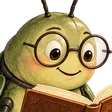
The character your child teaches

Listens to spoken answers in the app
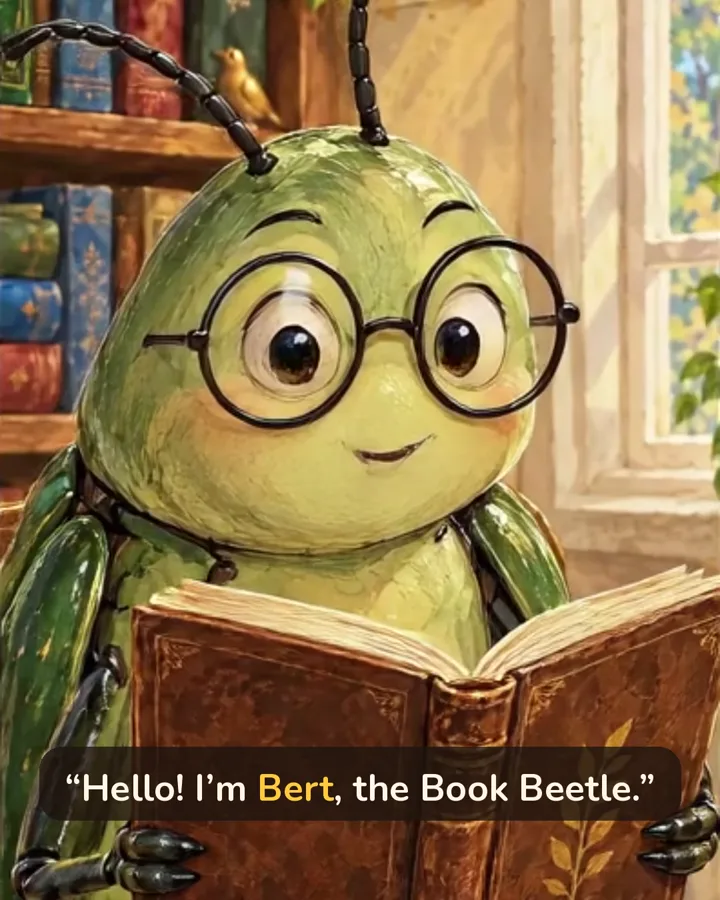
Included in the app for invited families. Children see books for their age, and only chapters a person has reviewed.
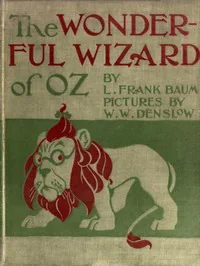 The Wonderful Wizard of OzAges 7 and up
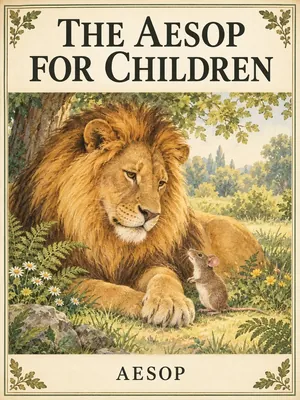 The Aesop for ChildrenAges 5 and up
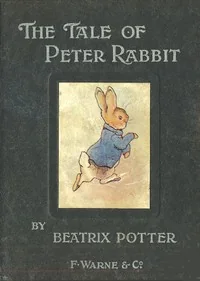 The Tale of Peter RabbitAges 5 to 7
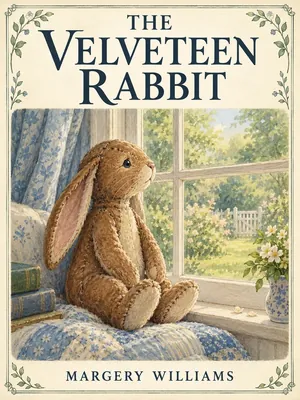 The Velveteen RabbitAges 5 to 9
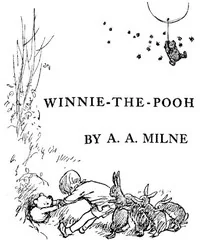 Winnie-the-PoohAges 5 to 9
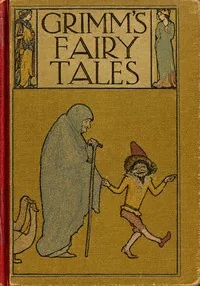 Grimms' Fairy TalesAges 7 and up
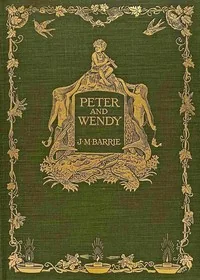 Peter PanAges 7 and up
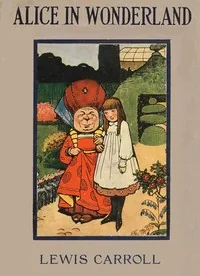 Alice's Adventures in WonderlandAges 7 and up
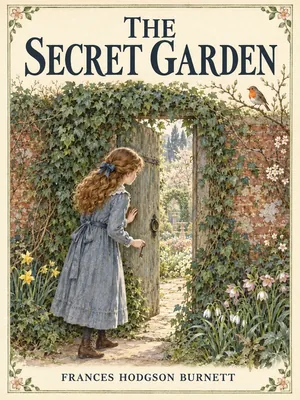 The Secret GardenAges 10 to 12
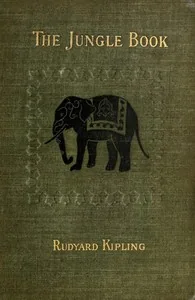 The Jungle BookAges 10 to 12
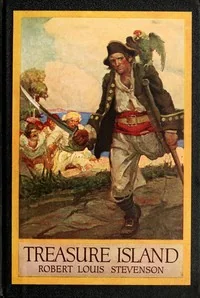 Treasure IslandAges 10 to 12
 Just So StoriesAges 5 to 9
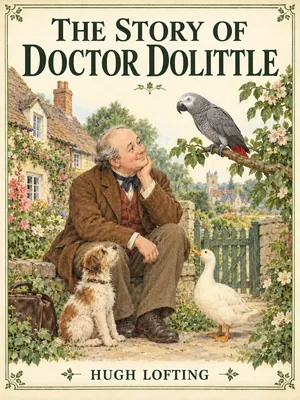 The Story of Doctor DolittleAges 7 to 10
Why we built it
A child can read every word on a page and still not know what happened. Reading comprehension, understanding what you read, is what school asks for from about third grade on, in every subject, and what adults rely on for the rest of their lives. Every session in Parlor Kids is spent on understanding.
40%
of American fourth graders read below the basic level in 2024.
One session, start to finish
A session is one chapter and a few minutes with Bert, aimed at 5 to 10 minutes in all. It ends with Bert going to sleep, so there’s always a natural place to stop.
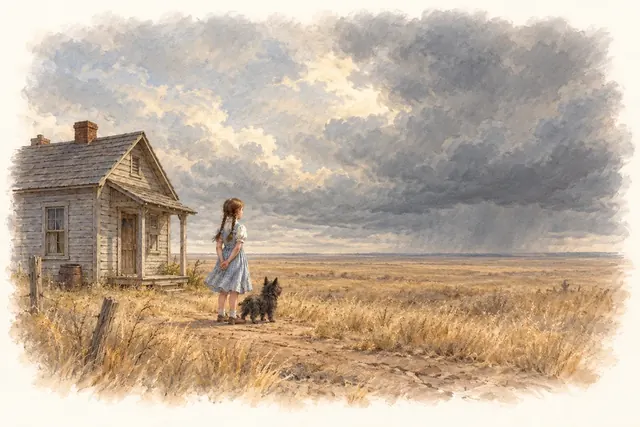
The book opens on screen as a book, with its old illustrations. Children who read on their own read it themselves. For ages 5 to 7, you read it aloud together.
BertI think Aunt Em went to look after the animals when the cyclone came. Is that right?
Your childIt was Uncle Henry. He went to look after the animals.
Your child finds the wrong part and puts him right: younger children pick what really happened; children 10 to 12 explain it in their own words. Stuck? Bert points to the page, then to the sentence.
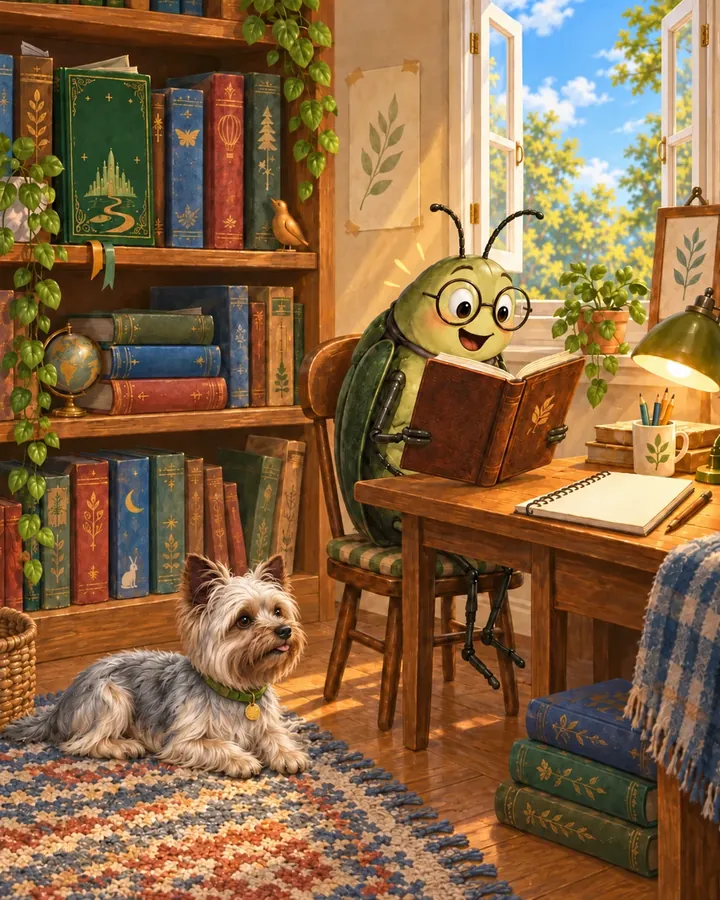
He writes the right version in his notebook, the window opens and the fly gets out. Then the lamp goes down and Bert goes to sleep. A few days later he muddles one thing again, and your child reminds him.
These lines are from the first chapter of The Wonderful Wizard of Oz in the app.
Why teaching
Explaining a story to someone who has it wrong asks more of a child than answering questions about it. They have to remember what happened, notice what doesn’t fit and say it in their own words. Researchers who study “teachable agents” found that children put more effort into learning when they were teaching a character than when they were learning for themselves.
Your child is never the one being tested. Bert is the one who gets things wrong, and your child is the one who knows.
For you
Every week, “This week with Bert” shows what your child read, a few lines they taught Bert, one thing that took a second try, and a question to ask them about the story. You can have it by email on Sunday. Reading so far says in words what your child does well and what’s still growing, with one thing to try at home.
No minutes, scores or streaks, and your child sees none of it.
This week with Bert
What your child taught Bert
Uncle Henry went to look after the animals when the cyclone came.
Ask at dinnerWhat makes you laugh, the way Toto makes Dorothy laugh?
For parents
What they tell Bert is worked out on the device, compared with the book and forgotten. Their guess before a chapter is kept on the device until Bert has compared it, and you can turn that off. Only if you turn it on for a child of 10 to 12 are their written words checked by our AI provider, and they still aren’t kept.
Everything Bert says is written ahead of time and approved by a named person before any child sees it.
No analytics services, and the app asks no other website for anything.
You sign in, add a first name or nickname and an age range, and can see, download or delete everything.
Bert isn’t a friend or a companion. He’s a character in a short activity with a beginning and an end. He doesn’t chat, doesn’t praise your child, and doesn’t ask them to come back. Safety and privacy in full
The library
99 free guides for grown-ups, including books not yet available in the app. Find read-aloud times, age suggestions and story notes.














We’re trying it with a few families before opening it more widely. If you’d like to be one of them, leave your email address.